
Amid the accelerating restructuring of global trade dynamics, cross-border e-commerce has emerged as a pivotal strategy for businesses to break through market barriers and tap into emerging markets. On July 31, the Nanjing Cross-Border E-Commerce Association hosted an industry symposium titled "Strategies for Expanding Cross-Border E-Commerce Markets in the Post-U.S.-China Trade War Era" in Pukou District. The event drew approximately 50 participants including cross-border sellers, service providers, and financial institution representatives, who gathered to explore innovative pathways for global market expansion.
Breaking the deadlock and planning for the future: The association's empowerment action is upgraded
"From Germany to Southeast Asia, from specialized training to overseas inspections, the association has consistently worked to build bridges for resource integration among enterprises." In her opening remarks, Cheng Shanshan, Executive Secretary-General of the association, reviewed the achievements of the first half: organizing thematic activities in emerging markets such as Russia, South Korea, and Egypt; launching free cross-border e-commerce product evaluation reports and Amazon advertising diagnostic services; and integrating resources from over 500 offline supermarkets across Europe and Southeast Asia to help businesses accurately reach overseas channels. She revealed that the association will deepen its services in the second half: leading enterprises to participate in the World Chinese Business Conference in the Greater Bay Area in October, and planning to form inspection delegations to Egypt, Vietnam, Malaysia, and other countries, adopting a "field research + resource integration" model to promote global expansion of enterprises.
Policy Insight: Opportunities and Challenges in the Post-Trade War Era
Zhong Yunian, Senior Consultant of the Association and former Second-Level Researcher at Nanjing Municipal Market Supervision Administration, analyzed the evolution of global trade rules in the post-trade war era from a legislative expert's perspective. Drawing on his years of experience in top-level design for e-commerce sectors, he systematically explained the strategic significance of compliant operations for corporate globalization. He emphasized: "Amid rising unilateralism and protectionism, companies must build solid compliance foundations. By adopting a multi-regional, multi-platform, and multi-category layout, enterprises can strengthen risk resilience to achieve sustainable growth amidst market turbulence."


Power & Traction Equipment
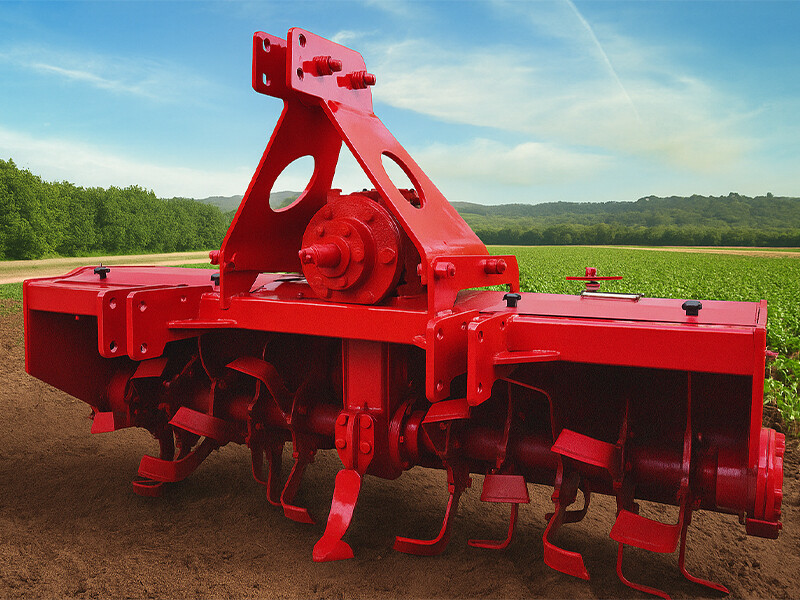
Tillage & Soil Preparation Machinery
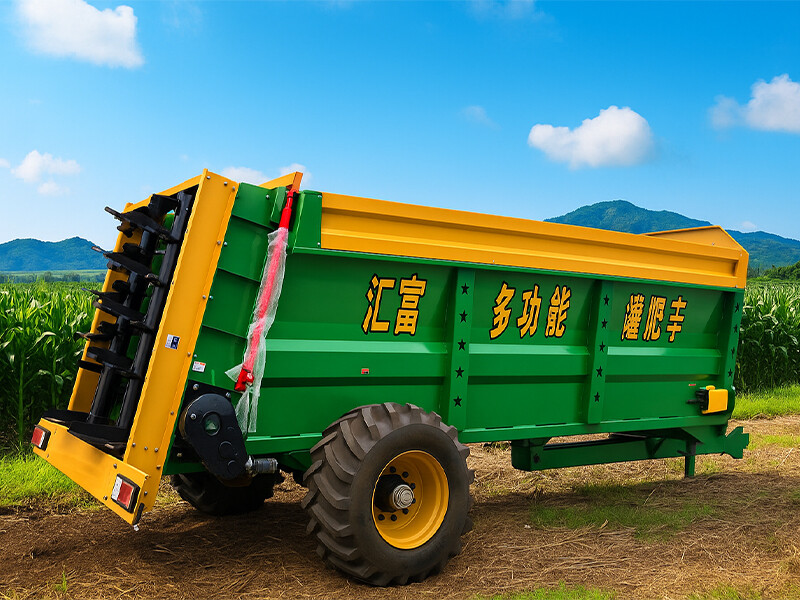
Seeding & Planting Machinery

Crop Management Machinery

Harvesting Machinery
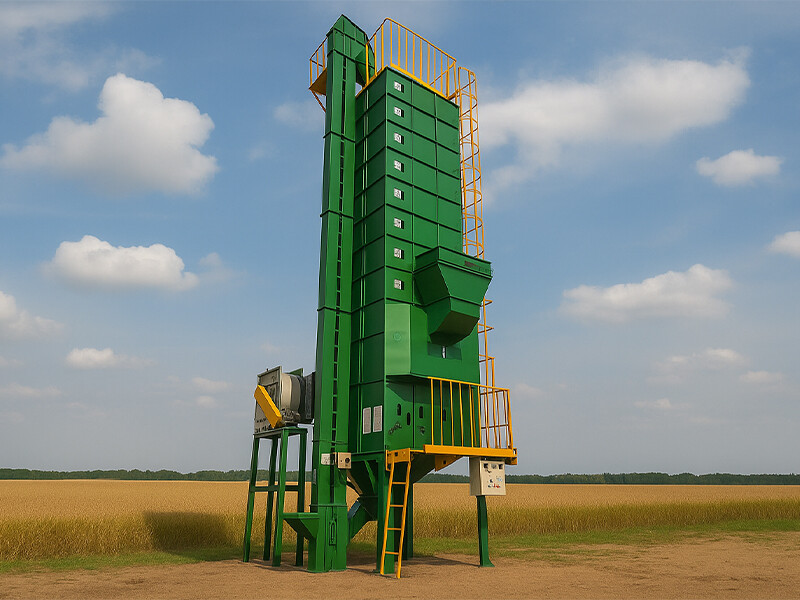
Post-harvest & Storage Machinery
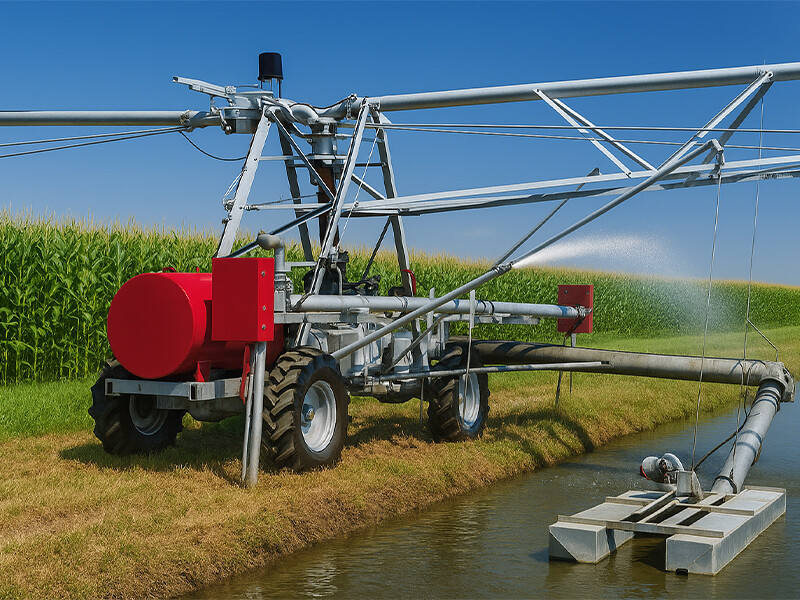
Irrigation & Water-saving Equipment

Livestock & Dairy Equipment
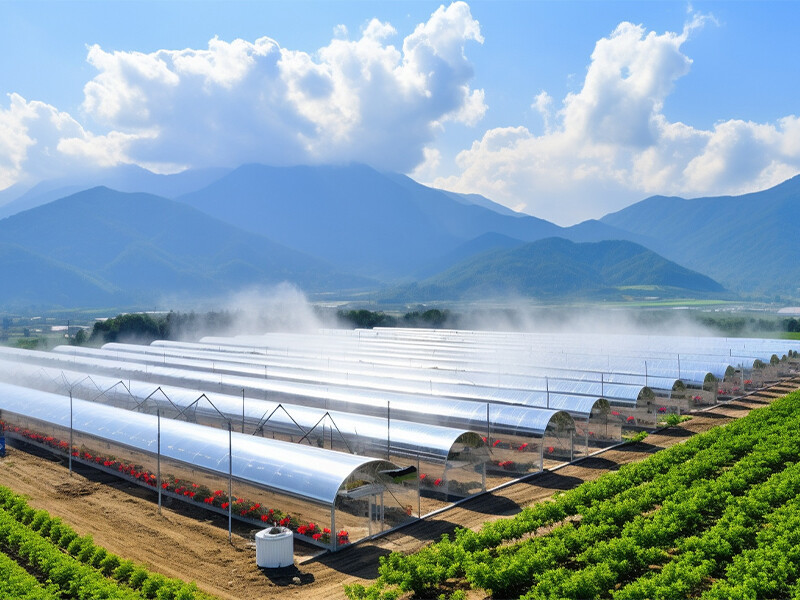
Protected & Smart Agriculture

Agri-processing & Transportation
Power & Traction Equipment
Tillage & Soil Preparation Machinery
Seeding & Planting Machinery
Crop Management Machinery
Harvesting Machinery
Post-harvest & Storage Machinery
Irrigation & Water-saving Equipment
Livestock & Dairy Equipment
Protected & Smart Agriculture
Agri-processing & Transportation